

Overview
Hyaluronic acid and other fillers add volume or shape when used by a trained clinician. Product and area are chosen in consultation.
What concerns it may be used for
They may be considered for selected folds or volume loss. They are not a surgical substitute and not “permanent”.
How it generally works
A clinician injects filler with anatomy in mind. Vascular occlusion is a recognised emergency risk — this is why self-treatment is unsafe.
Who may be considered
People considering this service need an in-person or clinic assessment. Medical history, medicines, skin type and the specific concern all affect whether it is appropriate.
Safety and clinical assessment
Injectable and regenerative aesthetic procedures must be assessed clinically. They are not suitable for everyone and are not intended for self-treatment. Discuss risks, aftercare and alternatives before any decision. Bruising, swelling, lumps, infection and rare vascular events can occur. Cosmetic procedures carry risks. A consultation should cover indications, risks, benefits, alternatives, realistic expectations, recovery and cost. Suitability, treatment parameters and expected outcomes vary by skin type, concern and clinical assessment. Individual results vary.
Frequently asked questions
Related services
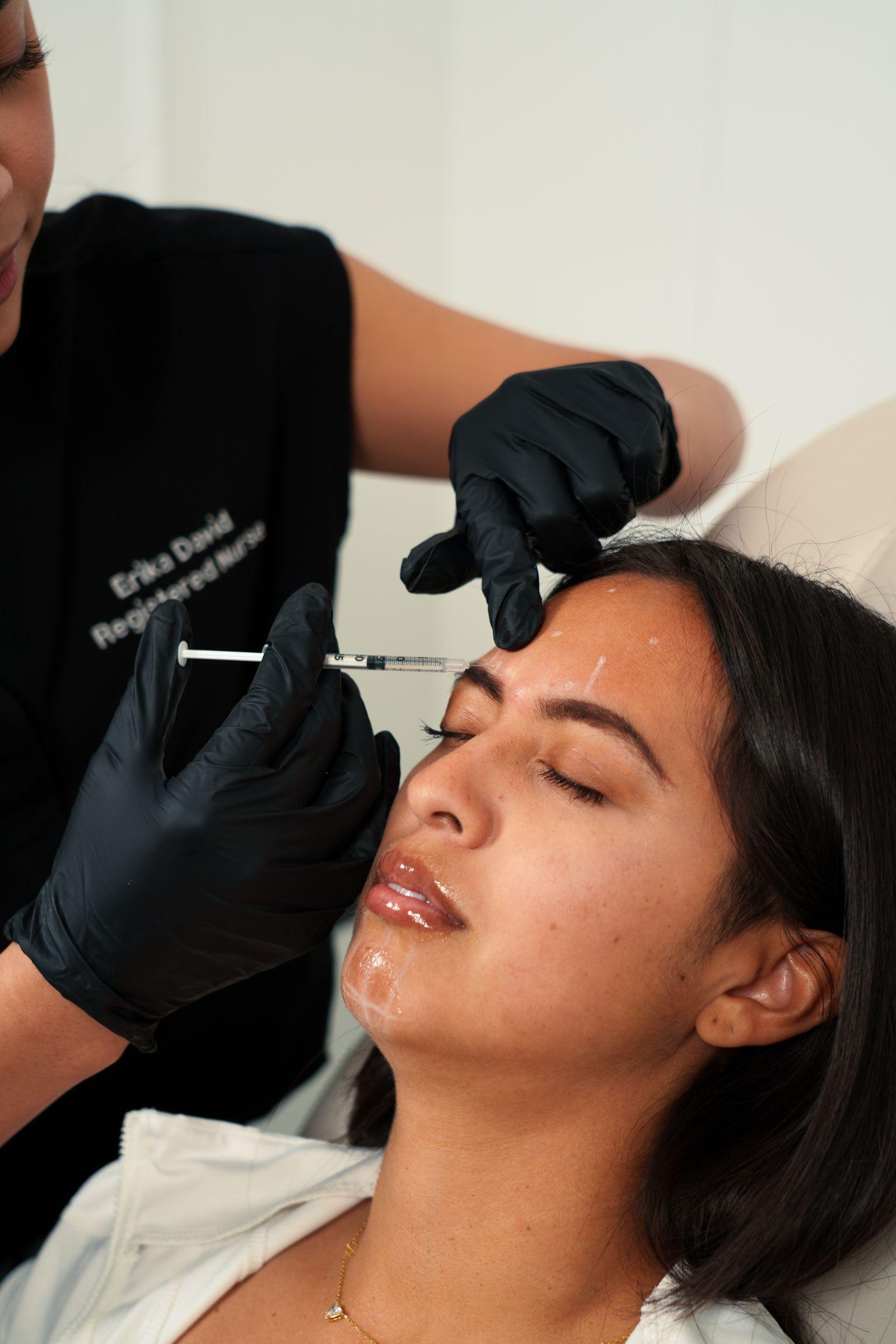

Treatment selection begins with understanding the concern. Book a consultation rather than purchasing a procedure online.